Language guidelines
Every word used to represent HRCI—across webpages, marketing materials, and social media—shapes the brand. Consistent language supports clear and consistent communication.
Brand tones
Good writing isn’t always straightforward. Like word choice, writing style affects the HRCI brand voice. Keep the following guidelines in mind when writing. Above all, be consistent.
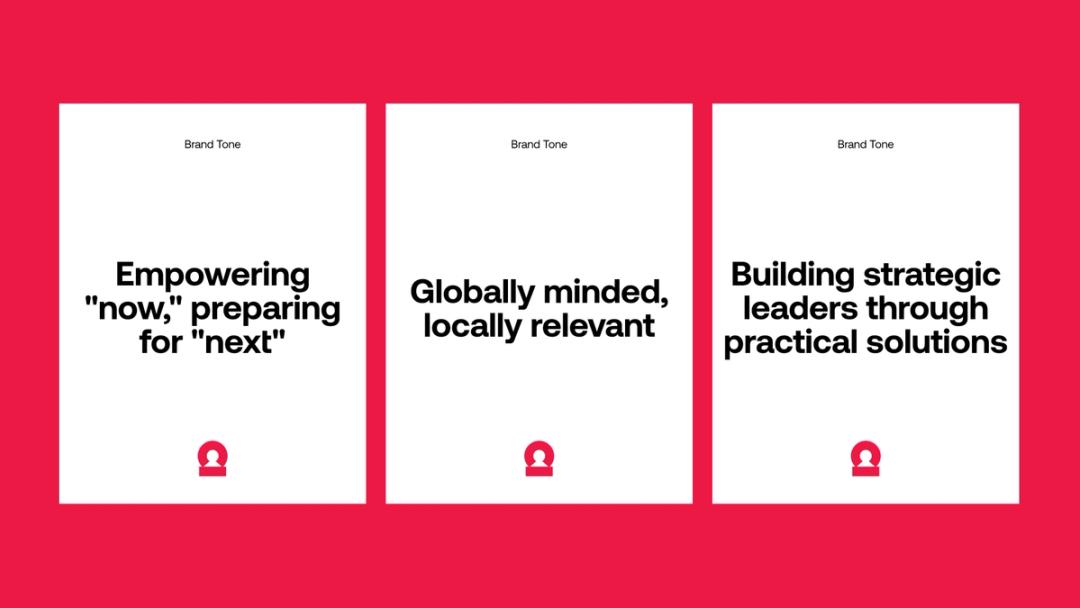
Empowering "now," preparing for "next"
HRCI meets professionals where they are today, delivering tools and learning that can be applied immediately while helping them anticipate what’s ahead—building confidence, adaptability, and readiness for the next phase of their work and careers.
How it sounds
- Start with the “now.” Lead with the immediate benefit or application before transitioning to long-term career growth or strategic shifts.
- Use active language. Incorporate verbs that suggest movement, adaptation, and anticipation. Speak directly to the audience.
- Balance urgency with confidence. Avoid sounding panicked about the future; instead, sound prepared for it.
Instead of: "Professionals might find that the landscape of work is changing, and they should perhaps consider updating their skills to stay relevant over the next few years."
Try: "Equip yourself for today’s shifting workplace. We provide the tools you need for immediate impact while building the adaptability you’ll need for what’s next."
Globally minded, locally relevant
HRCI reflects the realities of a profession that operates across borders, industries, and cultures. This perspective is global, while the approach respects regional context and the nuances of how work is practiced around the world.
How it sounds
- Use inclusive language. Avoid regional idioms or U.S.-centric metaphors that may not translate across cultures.
- Acknowledge nuance. When discussing trends, frame them as part of a global movement while allowing for regional application.
Instead of: "Our new benefits guide is a home run for any HR manager looking to step up their game and get their team on base."
Try: "Our latest resources provide a global perspective on talent management, allowing you to adapt core standards to your specific regional culture."
Building strategic leaders through practical solutions
HRCI believes leadership is developed through application. By grounding strategy in real-world scenarios (a line HR professionals walk every day), HRCI helps build both functional expertise and confident, credible leadership skills.
How it sounds
- Bridge the gap. Always connect a "strategic concept" (e.g., organizational design) to a "practical action" (e.g., a specific workflow or conversation).
- Speak with credible authority. Use professional, precise terminology without falling into unnecessary jargon.
- Focus on "the line." Acknowledge the daily balance HR professionals walk between business needs and human needs.
Instead of: "Strategy is a very important part of being a leader in HR, and we think that people should try to think more strategically when they are doing their jobs."
Try: "Strategy is built through daily application. We ground our training in real-world scenarios, helping you build the functional expertise to lead with confidence."
Style points
Here are additional style points to keep in mind:
Ask yourself:
Can I cut any words from this sentence without losing meaning?
Be the expert partner.
HRCI does not just “offer information”; it “provides a path.” Use a tone that positions HRCI as a partner alongside the professional.
Contractions
Help writing feel friendly and conversational. Use contractions like you would in everyday speech.
Don’t bury the lead.
Keep the most important message front and center.
Exclamation points
Can be effective when used sparingly, but can also come across as unprofessional and overexcited.
Keep sentences and paragraphs short.
Allowing for clear separation between ideas makes content easier to read, reference, and remember.
Oxford comma.
To avoid ambiguity, use the Oxford comma before the last item in a list.
Use the active voice.
In active sentences, the subject does the action. In passive sentences, the subject has the action done to it.
About statement
This statement is a quick, straightforward answer to the question, “What do you do?” Use it in materials (digital and physical) when introducing HRCI.
HRCI supports HR professionals and the organizations that rely on them. Through applied learning, professional connection, and globally trusted standards, we help HR thrive as the workplace evolves.
Elevator pitch
The elevator pitch is meant to make a connection. It serves as a memorable introduction to HRCI—what HRCI does and why it matters. Use the elevator pitch to start a conversation with a potential customer or partner. It can also be adapted for use across the website and other marketing materials.
HRCI is the career partner for the HR profession, helping practitioners build real-world knowledge, stay connected with peers, and adapt to the evolving demands of work. We bridge the gap between strategic concepts and practical application through learning, community, and certification, empowering professionals to be the heartbeat of organizational change and drive business forward.
Brand narrative
The HRCI brand narrative is a foundational story that connects HRCI’s history, values, and/or vision into a single, compelling arc. It moves beyond “what HRCI does” to “why it matters.” Use elements of the narrative throughout the website and other marketing materials.
Human resources sits at the center of change. As organizations evolve and work becomes more complex, HR's role continues to expand—requiring a broader perspective, deeper capability, and constant learning. Businesses don’t stand still, and neither do the people who make them run.
HRCI exists to support this reality. We help practitioners build real-world knowledge, stay connected to peers, and grow with the demands of their work. Through learning, community, and certification, we are a thriving ecosystem for the dynamic HR profession.
Headlines
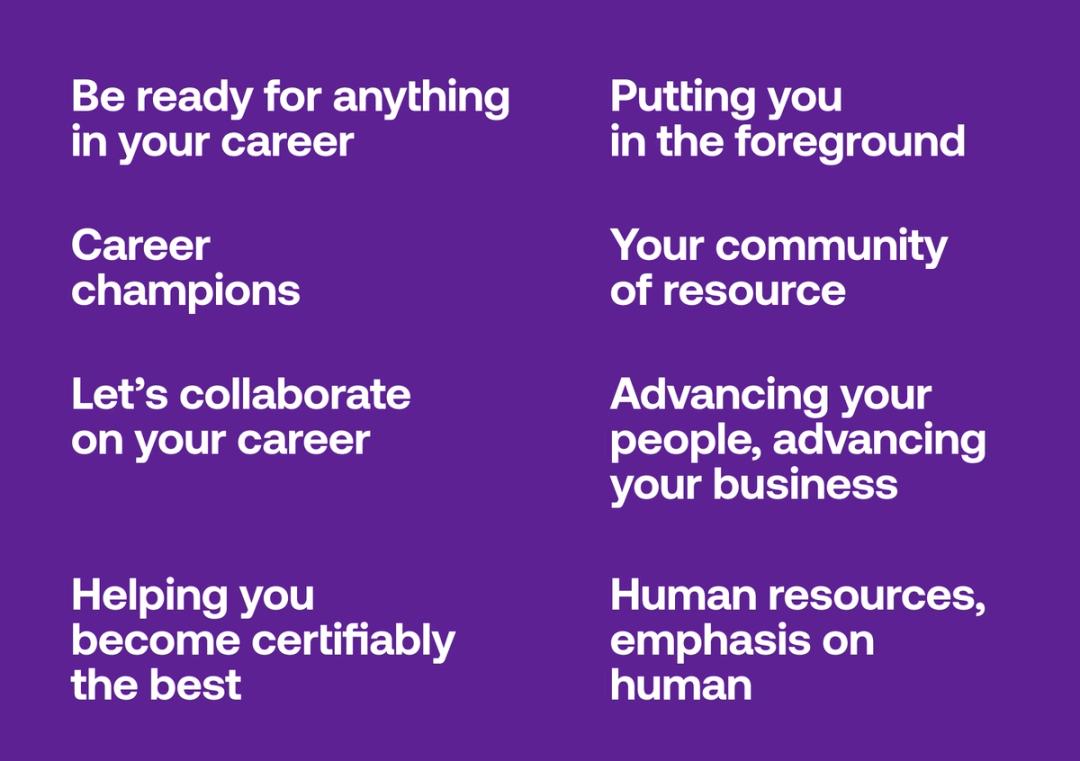
A good headline starts a conversation, but doesn’t finish one. Use headlines across digital and print to capture attention and encourage further reading. Below are a few headline examples that prompt readers to learn more.